

Action plan takes aim at elder abuse in Vic
Identifying gaps and listing priorities are the core elements of a new action plan launched in Victoria which has been developed specifically to assist the community in tackling the issue of elder abuse.
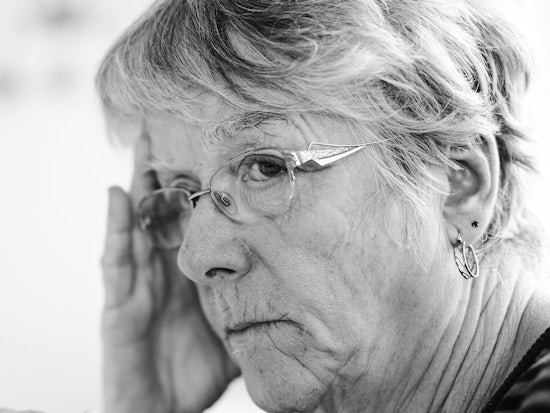
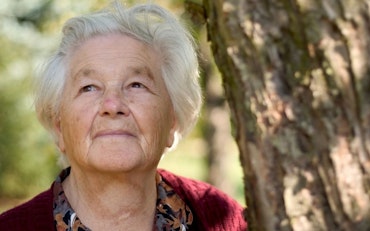
Older people deserve to be confident they will be safe from abuse in all its forms (Source: Shutterstock)
The release of plan, developed by the National Ageing Research Institute (NARI) along with the support of a number of local advocacy and community groups, including Seniors Rights Victoria and the Office of Public Advocate and funded by Gandel Philanthropy, comes as elder abuse gains increased attention worldwide at the hands of ageing populations and sets out ten priorities in hope of addressing the issue.
Public Advocate of Victoria Colleen Pearce launched the action plan and the priorities listed within, which include the need to clarify the relationship between family violence and elder abuse, raise community awareness of elder abuse and promote a positive view of older people to reduce ageism, increase ways to help older people disclose elder abuse without fear, and provide education and training on elder abuse for all health professionals in health and aged care services.
Associate Professor and Director of NARI, Briony Dow, says that the action plan is needed because government and non-government responses are “still not effectively coordinated”, despite an increased focus on elder abuse and considerable government and philanthropic investment in the issue since the Victorian Royal Commission into Family Violence released its recommendations in March 2016.
“Elder abuse is a serious problem in Victoria yet, like many issues that affect older people, it is treated as second class problem,” Dr Dow explains.
“This action plan lays out simply what needs to be done to tackle the complexities of elder abuse by the community. It contains the views of older people.”
Dr Dow adds that the research shows elder abuse to be a challenging topic to address given the fact that many older people don’t want to talk about their experiences and feel “deep shame and fear further abuse”.
Seniors Rights Service Chief Executive Officer (CEO) Russell Westacott, who is heading the 2018 National Elder Abuse Conference this week in Sydney, says change “needs to happen” to help the five percent of senior Australians falling victim to elder abuse.
“The fact that five percent of Australian seniors are experiencing this is unacceptable,” Mr Westacott explains.
“This five percent who are victims of elder abuse equates to 182,000 Australians and these people are someone’s family, someone’s neighbour and in someone’s community.
“Now is the time to make a call to action so we can create change and respond to elder abuse.”
The launch of the action plan followed a workshop for clinicians and other health professionals to work with NARI to design a new screening tool for elder abuse.
The development of the screening tool is the next stage of NARI’s ongoing work to review current elder abuse screening tools, which is funded by the State Trustees Australia Foundation.