
Calls for national elder abuse helpline
The possibility of an elder abuse national helpline number is one aspect Carolanne Barkla, Chief Executive Officer of ARAS (Aged Rights Advocacy Service (South Australia) will be highlighting as she discusses the ‘state of the nation’ at the organisation’s World Elder Abuse Awareness Day (WEAAD) Conference in Adelaide this week.
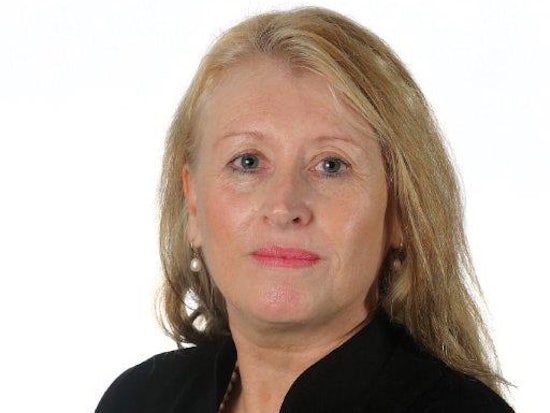
Aged Rights Advocacy Service CEO Carolanne Barkla (Source: ARAS)
This year’s conference program has been developed with the theme around the ‘Challenges for Changemakers’ in the legal system and the implications this has on service provision, the law and consumers.
“We’ve tried to bring together the consumer, provider, advocacy and policy makers,” she says. “Elder abuse is so complex and needs a multi-level approach; the Australian Law Commission gives the legal framework but we then need to provide the support and services on the ground to carry it out.”
She believes all levels of government, federal state and local, and services such as guardianship, powers of attorney and advance care directives should all come together.
“We all have a responsibility,” she says. “We’ve been watching all the appalling stories coming out – Mr Clarence Hausler, The Australian reported on the insulin murders and also Oakden – but we mustn’t forget older people being abused by family and friends sitting in their own home.”
“We’ve been looking at the phone helplines in each state and thinking how they can work together,” she says. “The attorney general wants a national helpline, but we need the services to support it.”
Presentations at the conference will inform delegates about the changes to the legal system and responses to the inquiries of elder abuse from both state and federal governments that will impact the way practitioners respond to elder abuse.
Delegates will also hear the consumer perspective from a notable case highlighted in the media, as well as legal and advocacy services and work with aboriginal communities.
The 2017 World Elder Abuse Awareness Day (WEAAD) Conference is held in Adelaide on FRiday 16 June 2017. Visit the ARAS website for more information.